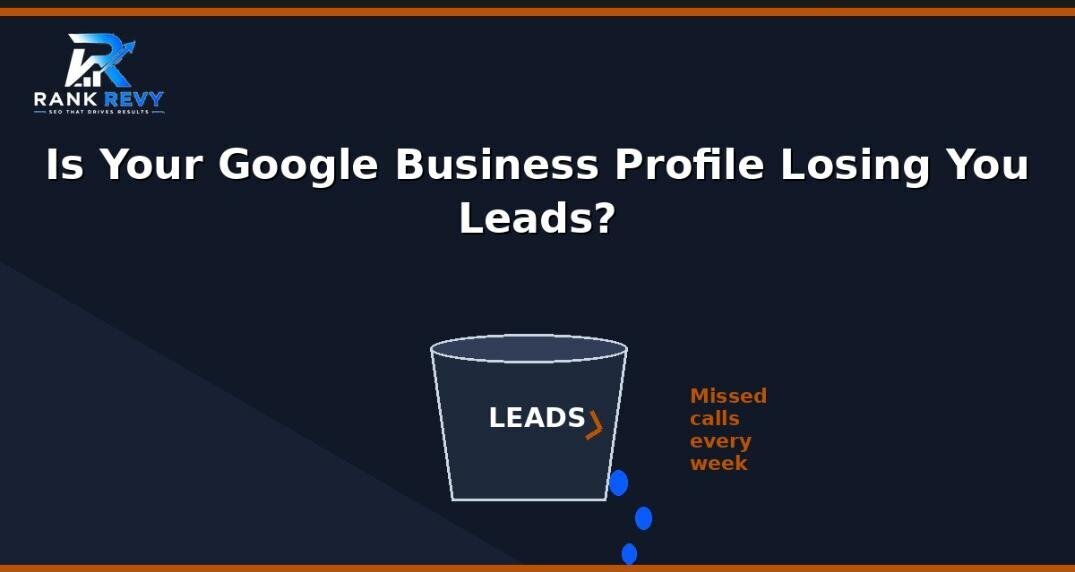
Most home service business owners treat their Google Business Profile like a business card they filled out once and forgot about. That would be a reasonable approach if the profile were neutral — but an unmanaged profile isn’t neutral. It can lose you leads to competitors who are managing theirs, week after week.

Where the Leads Actually Go
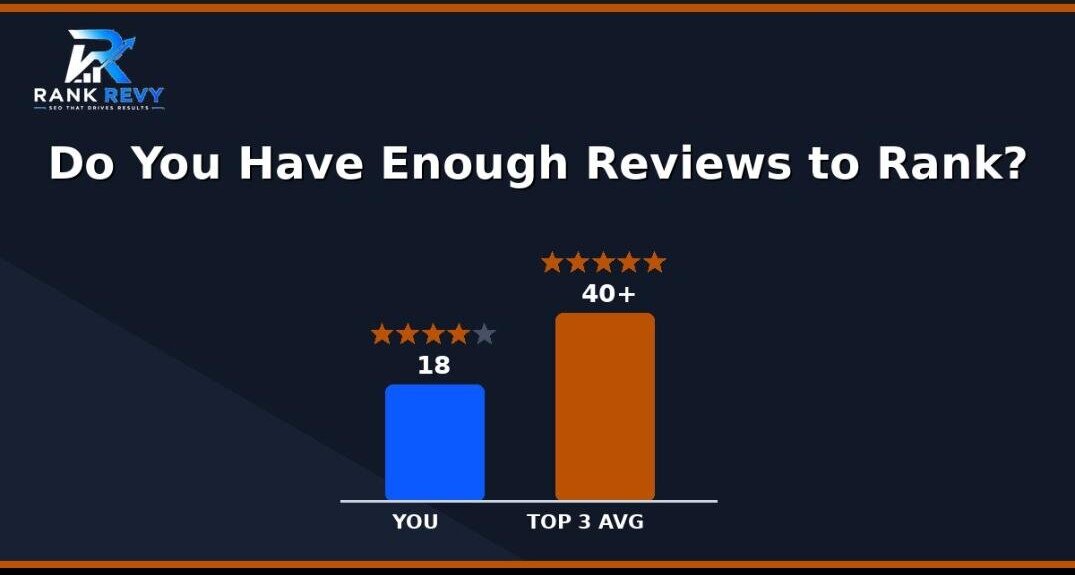
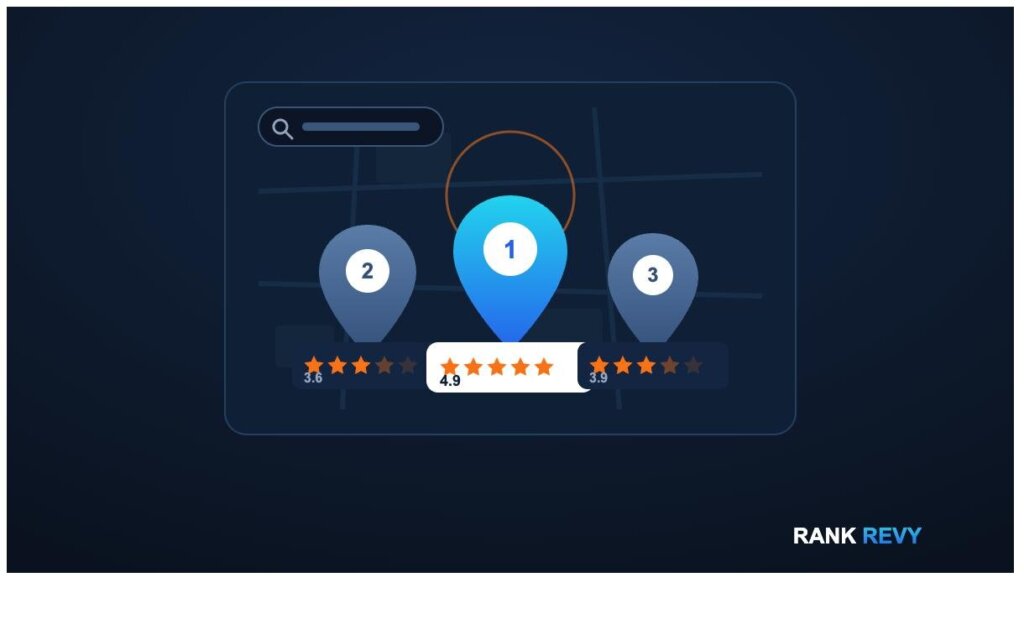
When your Google Business Profile is incomplete, stale, or inactive, three things happen, in order: you rank lower in the Map Pack for your core services; the customers who do find you see less trust-building information (fewer recent photos, fewer recent reviews, no recent posts) than a competitor’s profile right next to yours; and a share of those customers click the competitor instead — not because their work is better, but because their profile looked more current and trustworthy in the ten seconds it takes to compare two listings.
What “Unmanaged” Usually Looks Like
In practice, this means: no new photos added in months; service categories that haven’t been updated to reflect everything you actually offer; no Google Posts (the free, easy-to-ignore feature that lets you post updates, offers, and projects directly to your profile); reviews that go unanswered for weeks; and business hours or service areas that are slightly out of date.
None of these individually feels urgent. Together, they compound into a profile that quietly loses the comparison against every competitor who is posting weekly, responding same-day, and keeping their information current.
The Math That Actually Matters
If your business closes even a modest percentage of the calls that come from your Google Business Profile, and that profile is losing visibility or trust to a better-maintained competitor, the cost can be estimated as a number of missed calls per month, multiplied by your average job value. For example, a business that closes even 2-3 extra jobs a month from improved visibility can often offset the cost of professional GBP management many times over.
What Active Management Actually Involves
Weekly posts, consistent photo updates, prompt review responses, accurate and complete service categories, and ongoing citation consistency across directories — done every week, not once a year. This is exactly the kind of recurring, unglamorous work that gets skipped when you’re busy running jobs, which is precisely why it’s also the easiest competitive edge available to a business willing to keep it current.
Want a straight answer on what an actively managed profile could be worth to your business? Get a free consultation with Rank Revy — we’ll walk through your current profile and show you specifically what’s being left on the table.
"*" indicates required fields
A Simple Weekly Google Business Profile Checklist
“Active management” doesn’t have to mean hours of work. Most of it fits into a short weekly routine:
- Reply to every new review, positive or negative
- Add at least one new photo from a recent job
- Check and respond to any new messages or Q&A activity
- Publish one Google Post about a recent job, offer, or update
- Confirm hours and service areas are still accurate, especially around holidays
Common Mistakes That Quietly Cost Leads
- Duplicate or unclaimed listings competing with your main profile and splitting your reviews across two places
- A service area radius set too narrow (or too wide) for where you actually take jobs
- An ignored Q&A section, where anyone — including competitors — can post and answer questions about your business
- Stock photos instead of real jobsite and team photos, which do less to build trust
Common Questions
How often should I actually update my Google Business Profile?
Weekly is the cadence most local SEO practitioners recommend as a practical best practice — it’s not a fixed rule Google publishes, but profiles updated consistently tend to look, and perform, more competitive than ones touched a few times a year.
Do Google Posts actually affect ranking?
Google hasn’t confirmed Posts as a direct ranking factor. They’re better understood as a freshness and engagement signal, plus a low-effort way to give potential customers a reason to choose you once they’ve already found your profile.
What if my business has multiple locations?
Each physical location needs its own verified Google Business Profile with accurate, consistent name/address/phone information — a single shared profile for multiple addresses tends to confuse both customers and Google’s local ranking system.
Can I manage this myself, or do I need a service?
You can manage it yourself — none of this requires special tools. The tradeoff is time and consistency: a profile that gets touched every week performs differently than one that gets attention in bursts, which is why many busy owners hand the weekly cadence to someone else rather than skip it.